
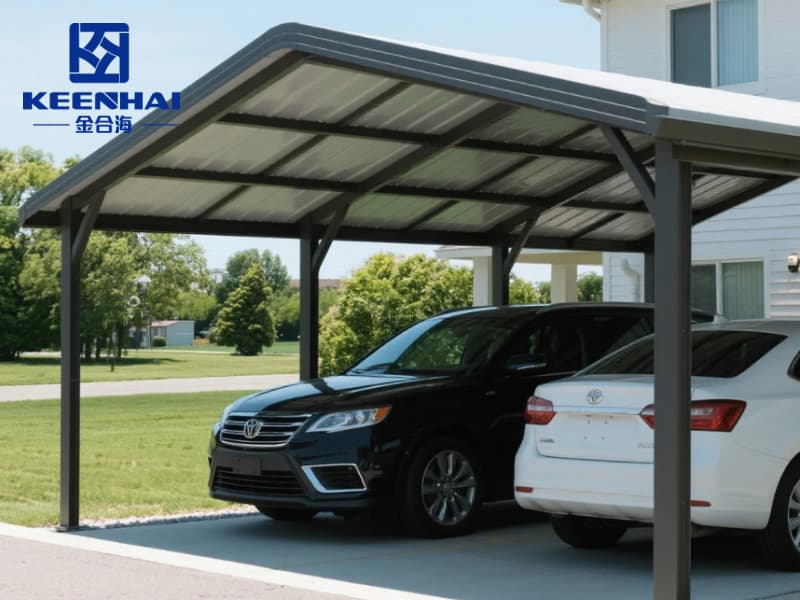
The average cost of a residential Heavy-duty Aluminum Carport in 2025 ranges from $1,500 to $4,500 depending on size, roof type, and material thickness. Small single-car units are cheaper, while larger or custom-designed units for multiple vehicles naturally cost more due to additional aluminum, reinforcement, and labor requirements. Optional features such as side panels or gutters can increase the total by $200–$800.
1. Factors Affecting the Cost of a Heavy-duty Aluminum Carport
When planning to invest in a premium Heavy-duty Aluminum Carport, understanding the cost drivers is essential. Several factors directly influence the final price, from material quality to size and design.
1.1 Material Quality and Thickness
The aluminum grade and panel thickness are the biggest cost drivers. High-grade aluminum like 6061 or 6082 ensures long-term durability and excellent resistance to corrosion, which is crucial in areas with heavy rain, snow, or strong winds. Panels that are 2mm thick typically cost more than 1.2mm options but offer far better longevity. Powder-coated finishes add protection and aesthetic value, slightly increasing upfront costs but saving money over time due to reduced maintenance.
1.2 Size and Coverage Area
Larger carports naturally require more materials and stronger structural support. Standard residential sizes range from 12×20 ft to 20×30 ft, while commercial setups may exceed 30×50 ft. The dimensions affect both aluminum usage and the number of support beams needed.
| Size (ft) | Material Cost Estimate | Structural Reinforcement Required |
|---|---|---|
| 12×20 | $1,200 – $1,500 | Standard aluminum beams |
| 16×24 | $1,800 – $2,300 | Reinforced beams |
| 20×30 | $3,000 – $4,500 | Heavy-duty supports, anchoring |
This table demonstrates how both material quantity and support requirements scale with size.
1.3 Roof Type and Design
Roof shape affects cost because it changes the amount of material and assembly complexity. Gabled roofs are common for homes, efficiently shedding rain and snow, but they require more framing. Flat roofs are simpler and less expensive, while arched or custom designs can significantly raise labor and material costs. Choosing the right roof type helps balance budget and functionality.
1.4 Additional Features (Gutters, Side Panels, Anchoring)
Optional add-ons like gutters, side panels, or advanced anchoring systems increase the overall expense. Side panels provide wind protection, while strong anchoring is essential in storm-prone areas. In larger projects, especially Commercial Aluminum Carports, extra accessories such as integrated storage racks or lighting can add several hundred dollars, but they improve usability and durability.
1.5 Installation Location and Site Conditions
Where you build your carport matters. Uneven or sloped terrain may require grading, concrete footings, or additional anchoring, increasing installation costs. Flat, accessible areas are cheaper to prepare, while remote or complex sites add both labor and materials to the total expense.
1.6 Labor and Assembly Complexity
Labor costs depend on local rates and the complexity of the structure. Standard kits can often be installed in 1–2 days, whereas custom or larger units may take 4–7 days. Accurate alignment and proper reinforcement are crucial to ensure longevity, and investing in experienced installers can prevent costly mistakes.
2. Average Price Ranges in 2025
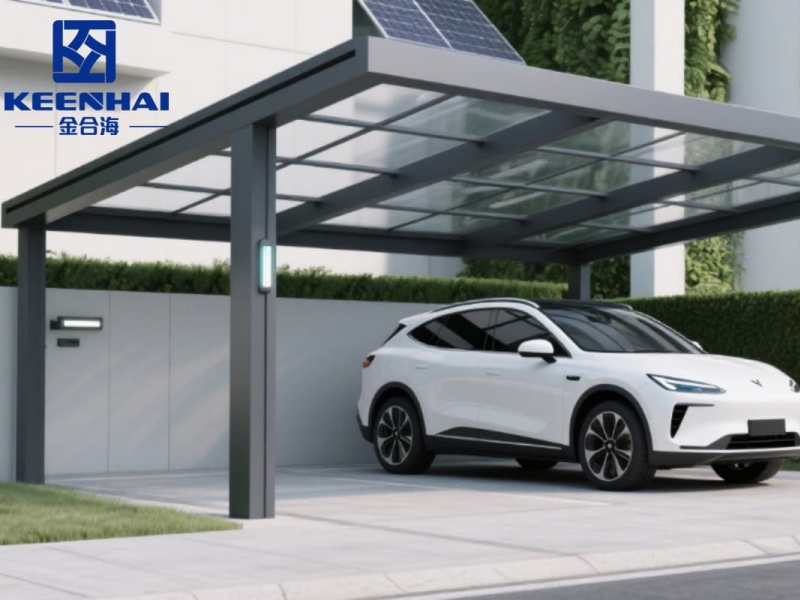
Understanding the price ranges for a Heavy-duty Aluminum Carport in 2025 helps homeowners and businesses budget accurately. Costs vary primarily by size, materials, and complexity of installation.
2.1 Small Residential Carports
Small carports, typically covering a single vehicle or a compact garage area (about 12×20 ft), usually cost $1,200 to $1,800 for materials alone. Installing one involves:
-
Preparing a flat surface, ensuring proper drainage.
-
Setting up anchor points with concrete footings, usually 12–16 inches deep.
-
Assembling aluminum beams and roof panels, often completed in 1–2 days with a two-person team.
Optional add-ons, like side panels or gutters, can increase the price by $200–$400. These small residential units offer a durable, low-maintenance solution without a huge upfront cost, making them ideal for suburban homes.
2.2 Medium-Sized Carports
Medium carports, typically 16×24 ft, accommodate two cars and additional storage. Material costs range from $2,000 to $3,000, depending on aluminum thickness and roof type. Installation complexity increases due to larger spans and extra support beams.
Key installation steps include:
-
Leveling the site and pouring reinforced concrete footings.
-
Assembling support columns with precise alignment, ensuring structural stability.
-
Attaching roof panels and cross beams, sometimes requiring a small crane or lift for higher roofs.
Custom designs or optional features, such as a decorative roof or partial walls, can push the total cost above $3,500. These units often balance budget with functionality, offering robust protection against weather without excessive material usage.
2.3 Large or Commercial Heavy-duty Aluminum Carports
For larger units, covering three or more vehicles or serving commercial purposes, costs range from $4,500 to over $10,000, depending on size, material grade, and roof complexity. Commercial setups require additional reinforcement for safety and durability.
-
Commercial Aluminum Carports often include heavy-duty anchoring, integrated storage racks, or electrical setups.
-
Installation can take 4–7 days for a professional crew:
-
Surveying the site and preparing footings with precise leveling.
-
Erecting main support columns, ensuring all beams are plumb and properly anchored.
-
Securing roof panels and optional accessories, like lighting or gutters.
-
Larger units naturally cost more due to increased aluminum usage, more complex assembly, and additional labor requirements, but they provide long-term durability and higher weather resistance, making them a sound investment for commercial or heavy-duty applications.
3. Installation Costs and Considerations
Installing a Heavy-duty Aluminum Carport involves more than buying materials. The total cost depends on whether you hire professionals, the complexity of your site, and regional labor variations. Proper planning ensures the structure remains durable and stable.
3.1 Professional Installation vs DIY
Professional installation guarantees precision and structural integrity. Hiring a team can cost $500 to $1,500 for small to medium carports, while larger commercial setups may exceed $3,000. Professionals handle alignment, anchoring, and assembly efficiently, reducing risks of future damage.
DIY installation is cheaper, typically $150–$500 in labor savings, but it demands careful attention to detail:
-
Mark anchor points accurately according to the carport dimensions.
-
Pour concrete footings to recommended depths (12–16 inches for residential, 18–24 inches for commercial).
-
Assemble aluminum beams and roof panels, ensuring all fasteners are tight and beams are level.
-
Install optional accessories, such as side panels or gutters, following manufacturer instructions.
DIY saves money but requires tools, time, and basic construction knowledge. Improper installation can compromise structural safety, especially in high-wind or snowy areas.
3.2 Site Preparation Expenses
Site preparation significantly affects costs. Uneven or sloped terrain may need:
-
Grading and leveling, which can cost $200–$800 depending on area size.
-
Concrete footings and pads, $10–$25 per square foot.
-
Drainage adjustments to prevent water pooling under the carport.
Flat, accessible sites minimize preparation expenses, whereas remote or irregular terrain increases labor and materials costs. Proper site preparation ensures longevity and stability, making it a worthwhile investment.
3.3 Labor Rates and Regional Variations
Labor costs vary widely based on location. Urban areas with high demand for construction crews may charge $50–$75 per hour, while rural areas may average $30–$50 per hour. Larger or more complex carports naturally require more labor hours.
For example, installing a 16×24 ft medium carport may take:
-
1–2 days for a small residential team of 2–3 people.
-
3–5 days for larger units with heavy-duty anchoring or complex roof designs.
Understanding local labor rates and crew efficiency helps budget accurately, preventing surprises that can derail your project.
4. Cost Comparison: Heavy-duty Aluminum vs Alternative Materials
When budgeting for a carport, comparing Heavy-duty Aluminum Carports with alternative materials like steel, wood, or vinyl helps make an informed decision. Costs vary based on durability, maintenance, and installation complexity.
4.1 Steel Carports
Steel carports are generally cheaper upfront, ranging from $1,000 to $3,000 for residential sizes. Steel is strong and fire-resistant but prone to rust if not properly coated. Installation requires precise anchoring and welding or bolting, which can increase labor costs. Steel also tends to be heavier, requiring stronger footings.
4.2 Wooden Carports
Wooden carports offer a natural aesthetic and can be customized easily. Prices vary from $2,000 to $5,000 depending on wood type and protective treatments. Wood requires regular maintenance like staining and sealing to prevent rot and insect damage. Installation steps include:
-
Preparing a level base with concrete footings or a gravel pad.
-
Erecting wooden posts and beams, ensuring proper alignment.
-
Installing the roof structure and securing panels.
-
Applying protective coatings for longevity.
4.3 Vinyl or Composite Carports
Vinyl or composite carports are lightweight, low-maintenance options. Costs range from $1,500 to $4,000 depending on size and brand. They resist corrosion and require little upkeep but generally lack the strength of aluminum or steel for heavy snow or wind loads.
| Material Type | Average Cost (Residential) | Durability | Maintenance |
|---|---|---|---|
| Heavy-duty Aluminum | $1,500 – $4,500 | 20–30+ years | Low |
| Steel | $1,000 – $3,000 | 15–25 years | Medium (rust prevention) |
| Wood | $2,000 – $5,000 | 10–20 years | High (staining, sealing) |
| Vinyl/Composite | $1,500 – $4,000 | 15–25 years | Low |
This table highlights how aluminum balances cost, durability, and maintenance more effectively than alternatives, making it a strong choice for long-term investment.
5. Optional Add-ons and Their Price Impact
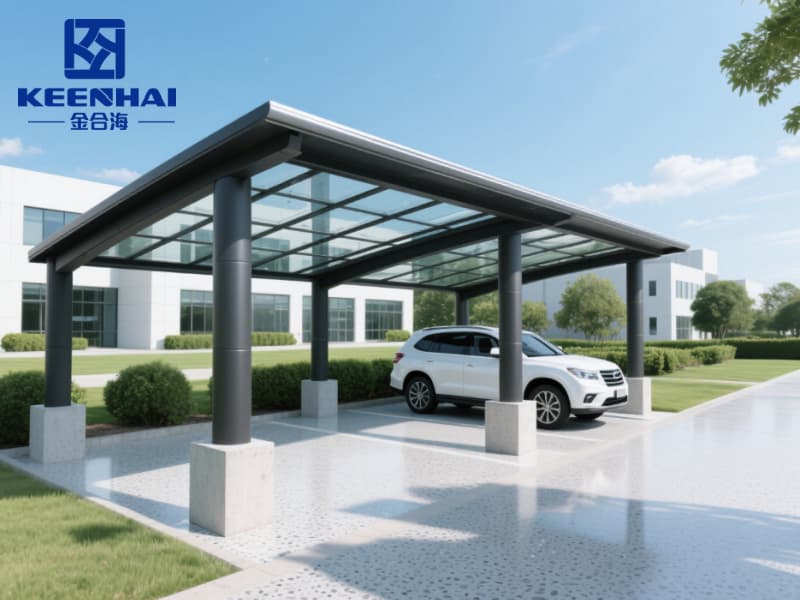
Adding optional features to a Heavy-duty Aluminum Carport can enhance functionality and aesthetics but also affects the overall cost. Knowing the price impact of each add-on helps budget effectively.
5.1 Lighting and Electrical Accessories
Incorporating lighting or electrical setups adds convenience but increases expense. Typical options include LED overhead lights, motion sensors, and electrical outlets for tools or EV chargers. Installation steps generally include:
-
Planning the electrical layout, including wiring and outlet placement.
-
Installing conduits and securing connections to aluminum beams safely.
-
Mounting lights or accessories and testing functionality.
Cost impact: $200–$600 for a small residential unit, and $800–$1,500 for larger or commercial setups. These add-ons are worth considering if your carport doubles as a workspace or storage area.
5.2 Storage or Utility Attachments
Adding storage racks, shelves, or tool hangers improves organization. These attachments often bolt directly to the aluminum frame, requiring minimal additional support. Typical costs range from $150–$700, depending on size and material.
Installation involves:
-
Measuring available frame space and marking attachment points.
-
Securing brackets or mounting plates to aluminum posts.
-
Installing storage units or utility hooks, ensuring weight is evenly distributed.
5.3 Custom Colors and Finishes
Custom paint, powder coating, or anodized finishes can transform the look of a Heavy-duty Aluminum Carport. While standard finishes are included in base prices, premium options can add $300–$1,000 depending on size and complexity. Custom finishes require precise application to avoid streaks or uneven coating.
Tips for cost-effective customization:
-
Choose powder-coated finishes for durability and low maintenance.
-
Limit contrasting colors to roofs or trim to reduce extra material and labor.
-
Coordinate with installation crews early to ensure proper curing and finishing.
Adding these optional features enhances both usability and visual appeal, making your carport not just a protective structure but a functional, attractive addition to your property.